Complex Phasing Projects. Phase One. Full Picture.
Phased construction creates compounding commercial risk. Without independent oversight holding the cost thread across the full scheme, exposure accumulates - and rarely surfaces until it is too late to manage.
WHY INDEPENDENT MATTERS
Phase One Decisions.
Full Scheme Clarity.
Phased construction creates compounding commercial risk. Without independent oversight holding the cost thread across the full scheme, exposure accumulates and rarely surfaces until it is too late to manage.
Defensible Quantities
Quantities validated phase by phase against the current design model not carried forward.
Full Scheme Cost Plan
One connected cost position across every phase updated as design and programme evolve.
Phased Procurement
Procurement structure and contract terms that hold from Phase 1 through to practical completion.
Cross-Phase Variations
Commercial impact of phasing decisions identified and controlled before they become formal claims.
Phase Close-Out
Each phase formally closed out and agreed before the next phase commences on site.
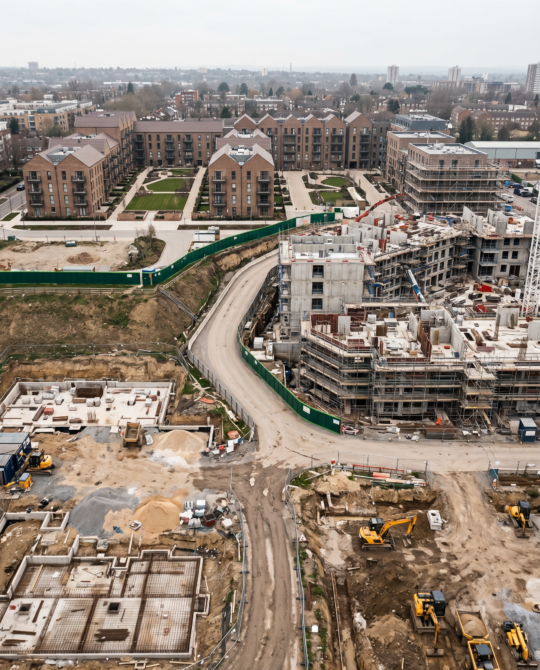
Phase 1 decisions create Phase 3 exposure.
Phasing introduces commercial risk at every interface. Enabling works that are under-scoped in Phase 1 create claims in Phase 2. Programme delays trigger acceleration pressure in the next phase. Without a connected commercial view, exposure accumulates invisibly.
Independent Commercial Management on Complex Phasing Projects
See how Reltic has maintained cost certainty and commercial control across multi-phase schemes – from Phase 1 procurement through to final account throughout the UK.
Digital Cost Planning
BIM Quantity Intelligence
Strategic Procurement
Construction Cost Control
Change & Variations
Final Accounts & Disputes
Before Phase 1 Procurement,
If At All Possible.
The terms you agree in Phase 1 shape every phase after.
The procurement structure and contract terms agreed for Phase 1 shape what’s available to you commercially for every subsequent phase. We’re most effective when engaged before Phase 1 procurement. We can also step in between phases – to close out the previous phase cleanly and establish the commercial position for the next.
Pre-Phase 1 Engagement
Procurement structure and whole-scheme cost position established before Phase 1 commitment – protecting every phase that follows.
Between Phases Support
Phase complete but not formally closed out? We establish the actual cost position before the next phase commences.
One Commercial Thread From Phase 1 to Final Account.
Phased schemes need a cost position that holds across every interface. This is how we maintain it from the first procurement decision to the last final account.
Set Brief
Validate Phase by Phase
Hold the Scheme View
Close Out Each Phase
Complex Phasing Projects – Frequently Asked Questions
Quick answers to the most common questions about independent commercial oversight across phased construction schemes.
Whole-scheme cost when only Phase 1 is designed - can you do that?
How do you close out a phase formally before the next begins?
What happens when programme slippage in one phase creates pressure on the next?
Can you manage separate contractor appointments across phases?
We're between phases and the cost position is unclear. Can you step in?


Contact With Us!
Office 676,60 Tottenham Court Road,Fitzrovia,LondonW1T 2EW
Call us: 020 3576 2851
Email: office@reltic.co.uk
Copyright © 2026 Reltic Construction Consultants Ltd. All rights reserved.